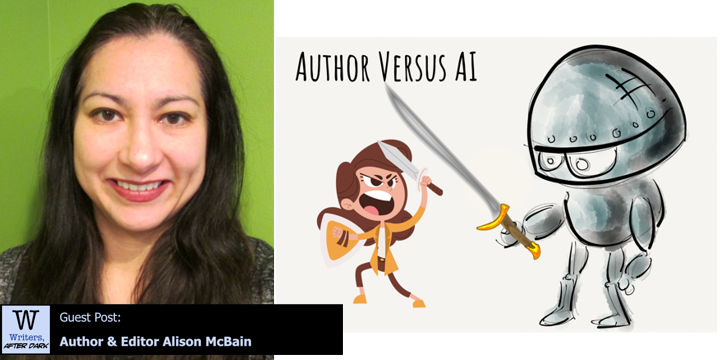
Authors are always told that marketing is a key element of becoming successful. Publishing is hustle culture, baby—sell your book, sell your author brand, sell your firstborn (well, not that… not yet). However, one question authors always ask me is: well… how?
Advertising, going on podcasts, and doing in-person and online readings are all important to marketing. But what I’ve found can be the BEST way to sell books is by not selling them at all. Every time I have a short story published, I see a significant bump in book sales. If readers like my short fiction, they often like my longer work. And if you only have one book out there, or are working on getting your first or second book published, then it can be helpful in building up your writing resume and readership too.
Now, I’ll point out the obvious—short stories are NOT novels. They have a different structure. They capture one or more moments in time, and the reader pieces together the whole story from the tidbits you give them.
Some novelists have told me that they can NEVER write short stories because they’re just too short. However, I often argue that they’re ALREADY writing shorts because each scene in a novel is just a small part of a story. If you’ve ever been worried about tackling a short story, a good way to think of it is as a middle chapter of your book. Your character’s already established, the background is written, and all you have to do is find an exciting scene or two, and then you have a short story.
Now, to the nitty gritty. After you’ve written your short, a key part is running it by your writing group or beta readers, just like you do your books. Feedback is essential to making sure you’re hitting the right tone and it’s a satisfying read. If you’re stumped about getting eyeballs on your story, I’d recommend the website Scribophile – it’s a free website where you can get critiques by writers around the world. Another helpful free website is Grammarly, which can make sure the commas are in the right place.
Next up is submitting. Just like when sending your novel to agents/publishers, you write up a quick query letter and submit your manuscript in a standard format (template). If the submission guidelines for a website/contest don’t specify what they want in your query letter, here’s an example letter:
Dear Editor First and Last Name, (I usually don’t include “Mr./Ms.” anymore in case of accidental misgendering),
I hope you enjoy reading my short story “TITLE” (5,000 words).
BIO. [The second paragraph is where you’d want to include a short biography of about 100 words – either first person or third person, depending on what’s asked for. Include your top 2-3 publications (such as your novels), and any awards you’ve won. Depending on the tone of the publication, I have a “funny” bio that includes a personal fact about me as well as a “serious” bio that focuses more on my writing accolades.]
Thank you for your time and consideration.
Sincerely,
Author Name
Website link if you have one (and, as a published author, my advice is you should ALWAYS have a website).
Unlike a query for a novel, most places publishing short stories don’t want a synopsis of the story itself. If they do, they’ll have a note about it in their submission guidelines.
When it comes to where you’d want to submit, there are several websites to help you narrow down the possibilities. The Submission Grinder is a free database that includes a list of magazines and contests currently open for submission. It has a search function, so you can narrow down your choices by genre, pay rate, response time, etc. Duotrope is a similar database, but it has a monthly/annual fee. Poets & Writers has a similar free search function, which includes small press publishers.
Many magazines accept simultaneous submissions, which is sending your work to multiple magazines at the same time, and it’s often noted in their submission guidelines. Standard etiquette for sim subs is you HAVE to agree to the first acceptance you receive and notify the other magazines that your story is now off the market. Not doing so could result in a black mark against you.
So, that’s it! Wishing you the very best of luck in building up your readership for your books through writing and publishing short stories.



Leave a Reply